
The Romantic movement emerged in the 18th century, expressing intense emotion and a connection with nature. Romantic thinkers embraced melancholy as part of the human condition in the pursuit of beauty and truth.
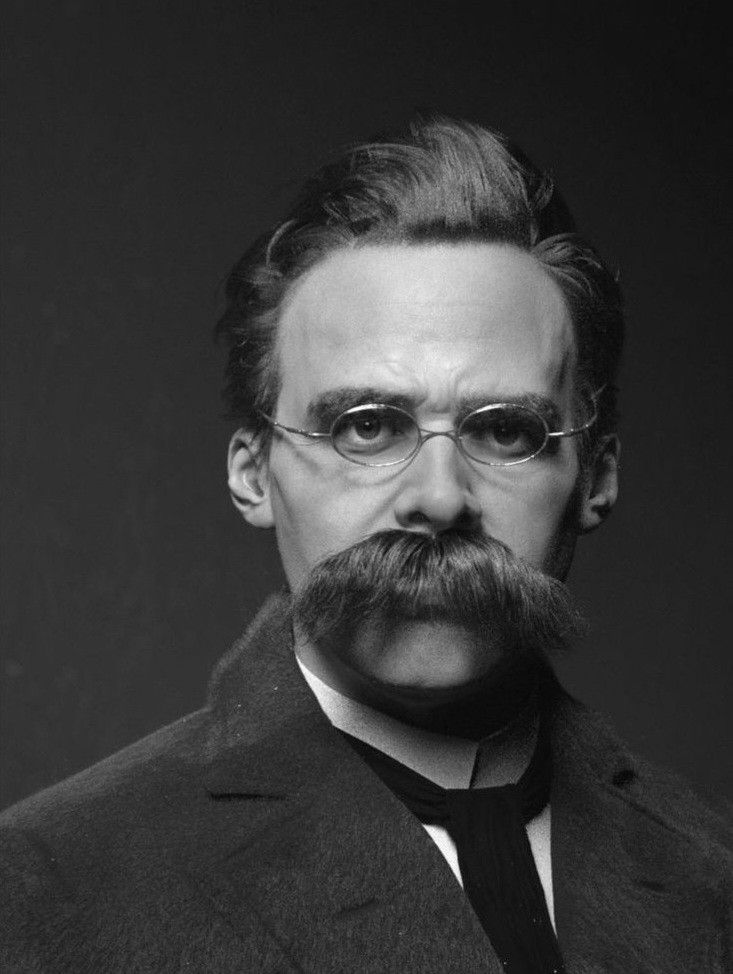
Nietzsche represented a counterpoint to the traditional ideas and any kind of idealization of life and suffering. He rejects elevating melancholy as a means of finding deeper meaning. Nietzsche promoted the idea of “affirmation of life,” instead of the glorification of suffering, passive reflection, or the romanticization of pain.
Some authors, like Byron and Schopenhauer, often celebrated sorrow as a kind of noble experience. For Nietzsche, it was a trap, and people have to embrace the full potential of their existence. Instead of glorifying pain, Nietzsche sought to transcend it through strength, self-creation, and a rejection of the “slave morality.”
Romantics usually saw beauty in suffering, while Nietzsche saw that it was something to overcome. For him, the slave morality arose from the oppressed, who, in the absence of power, created values to glorify weakness, humility and self-sacrifice. The Romantics redefined what is “good or evil” as a reaction to the condition of powerlessness. Instead of strength, assertiveness, or nobility being virtues, the oppressed began to view qualities like kindness, selflessness, and piety as virtuous.
Many Romantic thinkers were influenced by the idea of the suffering artist or the tragic hero, seeing personal suffering and empathy as virtuous qualities. On the other hand, Nietzsche saw them as a form of weakness, as a barrier to personal growth and the creation of one’s own values.
The Übermensch (the “Superman”) is someone who transcends this slave morality by creating their own meaning and embracing life’s challenges. For him, slave morality was a product of resentment toward the strong and powerful, while master morality was about embracing strength, power, and self-realization.
In this sense, Master Morality reflects the strong, the creative, and the affirmation of life. These individuals create their own values based on strength, power and excellence, rejecting traditional moral codes that limit their potential.
Nietzsche would likely see Hegel’s dialectical process as a form of “slave morality.” Nietzsche rejects pre-determined meanings, like traditional beliefs imposed by external forces, social norms, or philosophical systems that claim a universal truth or a fixed understanding of reality. For him, individuals must create their own meaning and values through their actions, desires, and willpower.
In this sense, meaning is not given but made through self-overcoming, not bound by any external moral system or philosophy.

 Psicólogo - Nivaldo Júnior (CRP 09/016675)
Deixe um comentário